
For Designing
the Future
Special Competence Trainings
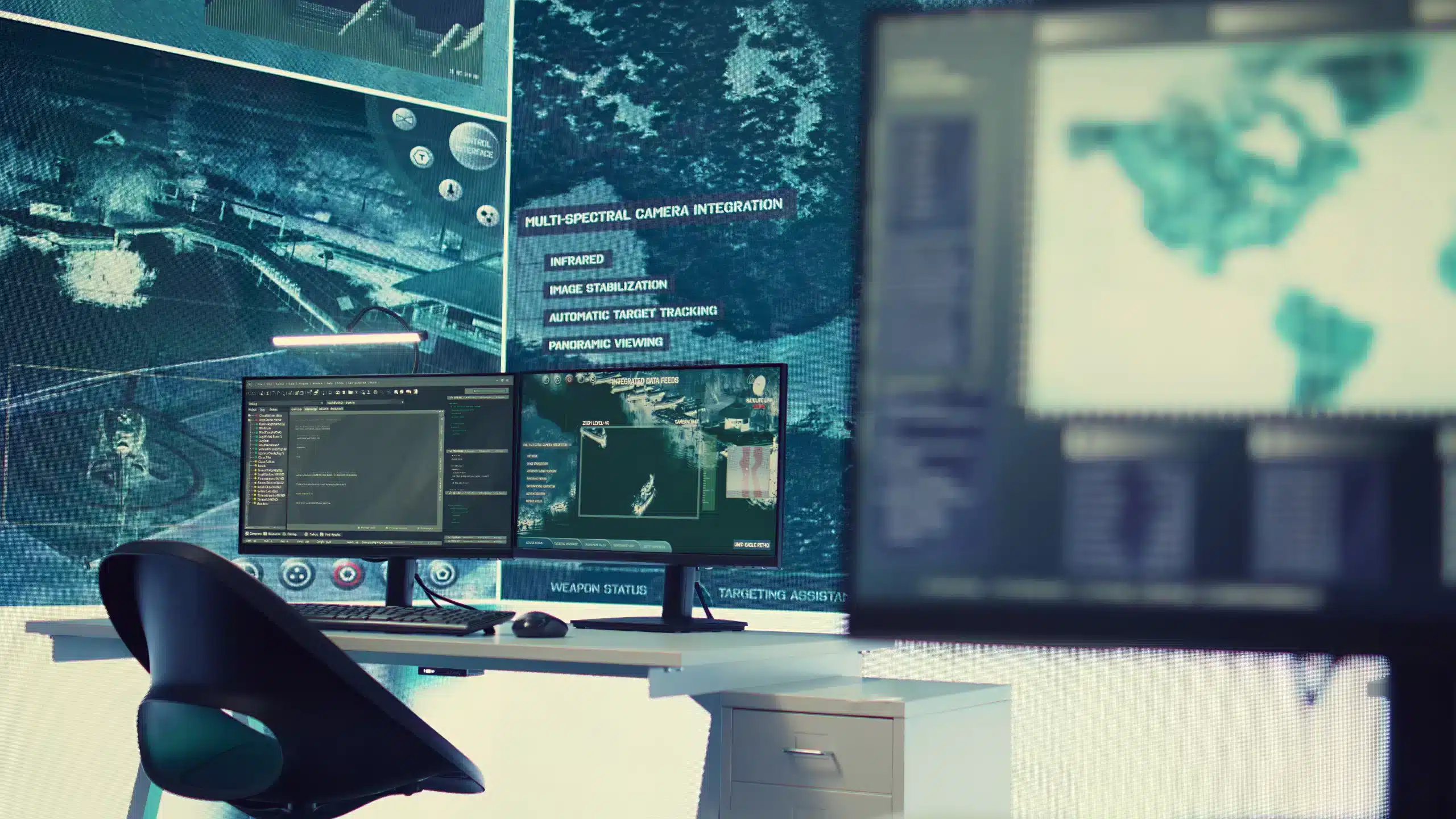

Online Trainings

Expert Trainers

Unlimited Access
Our References





Education Areas
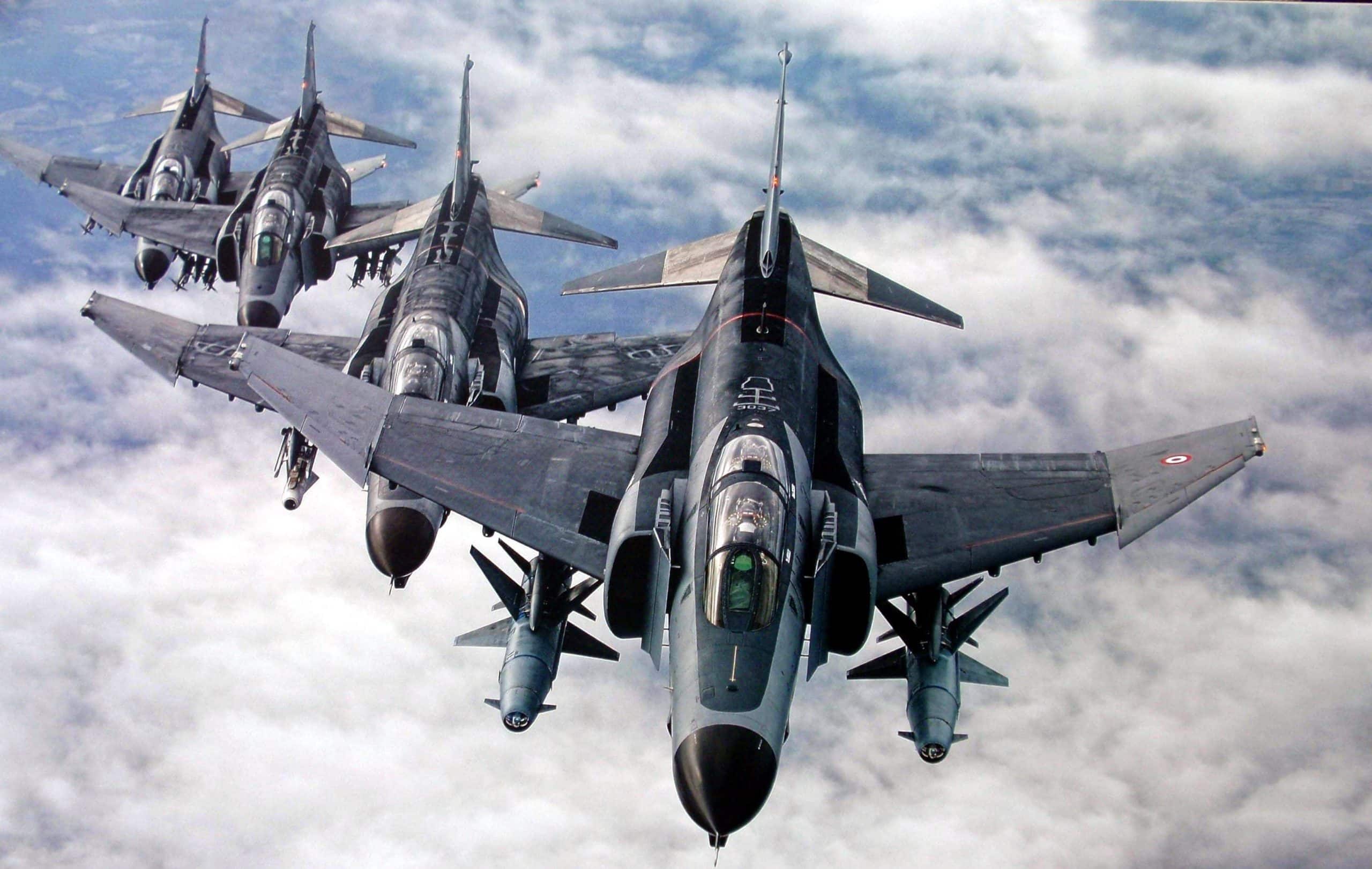
DEWIAC’s Air Operations training programme offers comprehensive expertise in modern air warfare, from 5th and 6th generation fighter aircraft capabilities to unmanned aerial systems and electronic warfare.
Our curriculum covers strategic air superiority, advanced air defence technologies and next-generation autonomous systems, preparing military professionals and defence industry experts for the evolving challenges of air warfare.
Led by instructors with real operational experience, participants gain practical knowledge of air-space integration, stealth technology and swarm UAV operations necessary to maintain tactical superiority in modern air combat.
Training Content
- Air Superiority and Strategic Air Operations
- Differences and Tactical Use of 5th and 6th Generation Fighters
- Air-Space Integration and Future Air Warfare
- Air Defense with Electronic Support Measures
- Asymmetric Warfare with Unmanned Aerial Vehicles (UAVs)
- Airdrop and Airlift Operations
- Stealth Technology and Radar Countermeasures
- Detection of Air Threats and Engagement Techniques
- The Role of Autonomous Systems in the Air Force
- Future Unmanned Warfare and Swarm Technologies
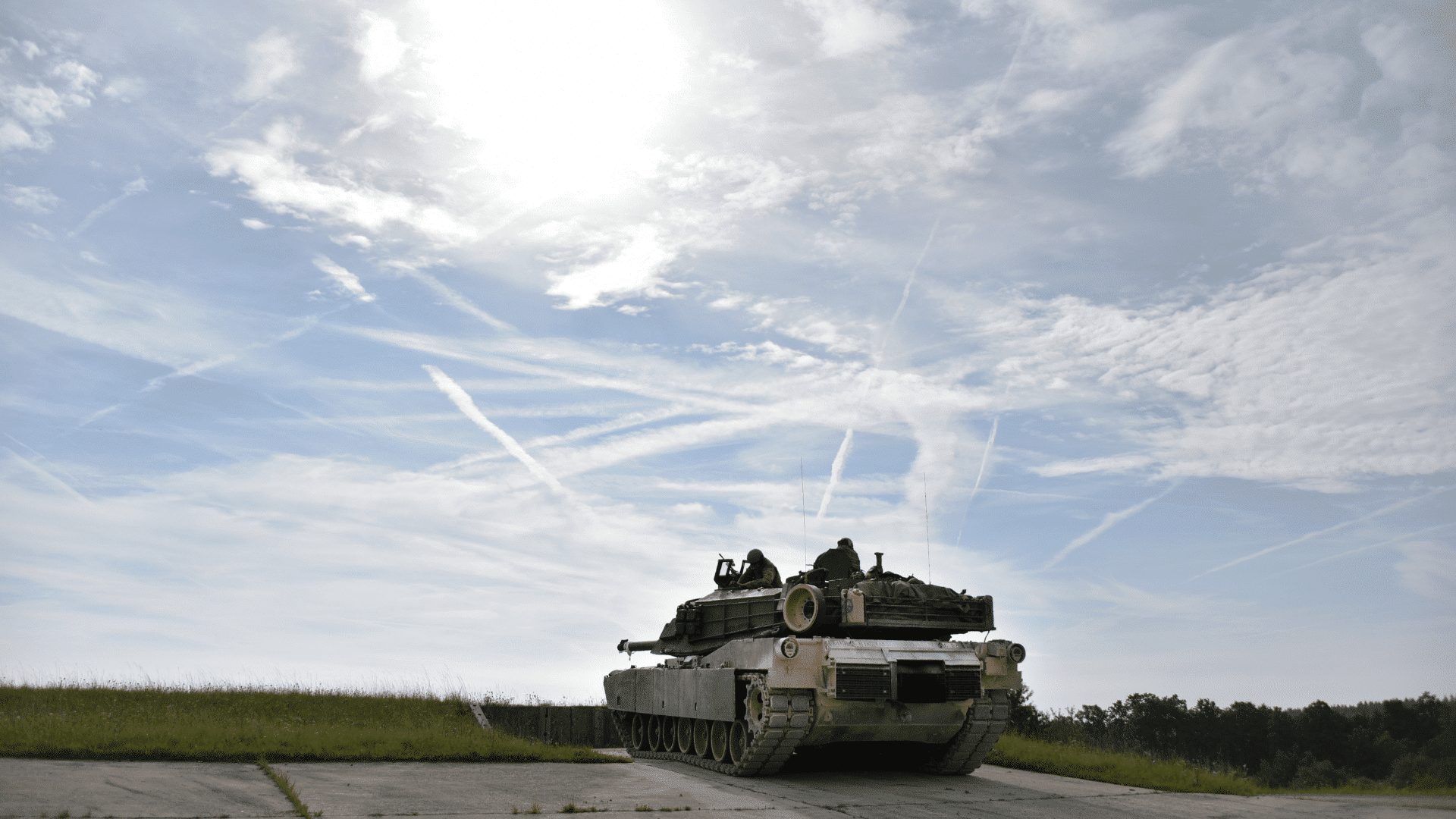
DEWIAC’s Land Operations training programme provides a comprehensive ground operations expertise, from modern mechanised troop tactics to asymmetric warfare strategies.
Our programme offers modern combat training, including electronic warfare capabilities, advanced armour technologies and special force operations, with expert instructors who have gained experience in the field.
Participants gain tactical and strategic competence in all aspects of modern land warfare while gaining practical knowledge in advanced manoeuvrability, modern anti-tank systems and countering IED threats.
Training Content
- Mechanized and Armored Troop Tactics
- Foot Infantry Operations and Modernization
- Land Warfare Electronic Countermeasures
- Military Intelligence and Reconnaissance Missions
- Battlefield Logistics and Supply Strategies
- Ground Defense Systems and Target Interception
- Modern Anti-Tank and Armor Technologies
- Advanced Mine and IED Detection and Disposal Techniques
- Ground Combat with Enhanced Maneuverability
- Special Forces Operations in Asymmetric Land Warfare
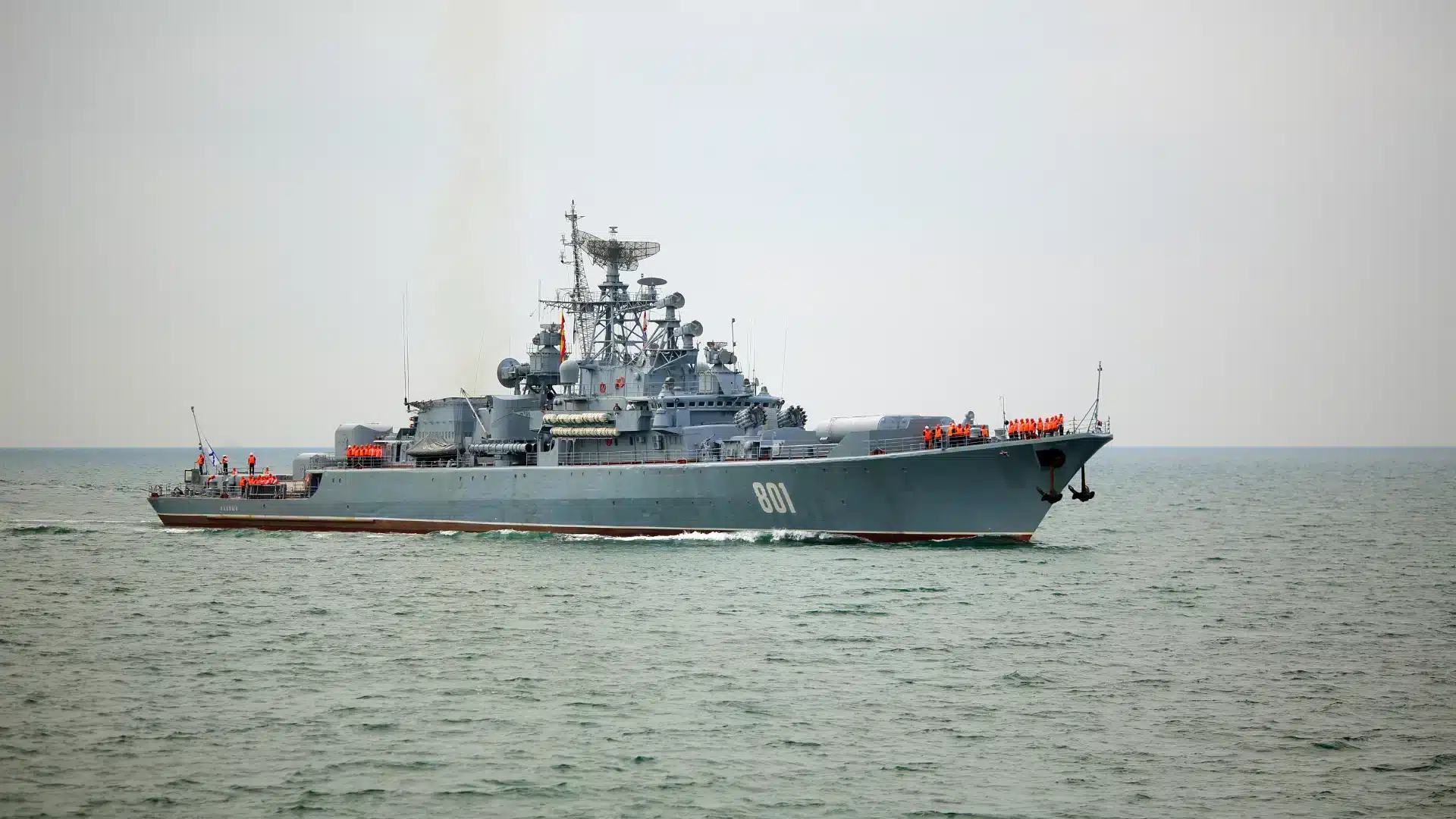
DEWIAC’s Naval Operations training programme offers a wide range of naval warfare training, from modern naval warfare tactics to unmanned maritime systems.
Our programme includes comprehensive training by experienced naval officers on critical topics such as undersea warfare, amphibious operations and ballistic missile defence systems.
Participants gain practical knowledge on naval air defence, autonomous naval vehicles and underwater operations, while gaining the competence to assess new threats and opportunities brought by modern naval warfare.
Training Content
- Modern Naval Warfare Tactics and Threats
- Submarine Warfare and Countermeasure Systems
- Future Naval Warfare Ships and Unmanned Naval Vehicles (UUVs)
- Naval Air Defense Systems and Technologies
- Amphibious Operations and Marine Corps
- Coastal Defense Systems and Strategic Basing
- Naval Logistics and Warship Supply Operations
- Ballistic Missile Defense Ships and Protection Systems
- Autonomous Naval Vehicles and Underwater Operations
- Maritime Reconnaissance and Surveillance Technologies

DEWIAC’s Cyber Security training program offers comprehensive defense strategies and AI-powered solutions against threats in the modern cyber warfare environment.
In our programme, cyber intelligence, industrial control systems security and advanced cryptology topics are taught by active cyber security experts with practical simulations.
Participants learn a wide range of defence techniques from state-sponsored cyber-attacks to information warfare, while gaining the competence to fight effectively in the cyber dimension of network-centric warfare.
Training Content
- Cyber Attacks and Defense Strategies
- Cyber Intelligence and Information Security
- Artificial Intelligence Supported Cyber Defense Systems
- The Role of Cybersecurity in Network-Centric Warfare
- Information Warfare and Propaganda Techniques
- Cyber Espionage and Countermeasures
- Cyber Threats in Industrial Control Systems
- State Sponsored Cyber Attacks and Their Impacts
- Secure Communication and Cryptology
- Advanced Cyber Training Simulations
DEWIAC’s C4ISR training program provides expertise in command and control systems, the nervous system of the modern battlefield.
Our program offers an integrated approach that encompasses network-centric operations, situational awareness and AI-enabled intelligence systems.
Accompanied by experienced experts, participants gain operational competence in a wide range of areas, from UAV systems to satellite intelligence, from multi-layered defense planning to cyber integration.
Training Content
- Network Centric Command and Control Systems
- C4ISR and Situational Awareness Applications
- Intelligence Data Integration and Analysis
- Advanced UAV and ISR Mission Management
- Electronic Surveillance Systems and Applications
- Modernization of Command and Control Centers
- Multi-Layer Defense Planning with C4ISR
- Advanced Radar and Satellite Intelligence
- Artificial Intelligence Supported ISR Systems
- C4ISR and Cyber Integration
DEWIAC’s CBRN training programme provides comprehensive defence training against chemical, biological, radiological and nuclear threats.
Our programme teaches all aspects of CBRN defence, from threat detection to decontamination techniques, through simulation and scenario studies with expert instructors.
Participants gain critical competencies from the use of CBRN protective equipment to response strategies, while gaining expertise in the management of civilian and military CBRN threats.
Training Content
- Defence Tactics Against Chemical and Biological Weapons
- Detection and Management of CBRN Threats
- Strategies to Counter Nuclear and Radiological Threats
- CBRN Defense Equipment and Protective Clothing
- Biological Warfare and Spillover Threats
- Effects of Nuclear Weapons and Prevention Methods
- CBRN Threat Analysis and Countermeasure Planning
- Civil and Military CBRN Response Teams
- CBRN Training Simulations and Scenario Studies
- Advanced Decontamination Techniques

DEWIAC’s Intelligence training programme provides comprehensive expertise in modern intelligence collection and analysis techniques.
Our programme teaches all intelligence disciplines from OSINT to SIGINT, IMINT to GEOINT with experienced experts and practical applications.
Participants gain operational competence in a wide range of areas from open source intelligence to cyber intelligence, from satellite data analysis to disruptive intelligence operations, and specialise in coordination and cooperation between intelligence units.
Training Content
- Military Intelligence Analysis and Reporting Techniques
- Open Source Intelligence (OSINT) and Applications
- Imagery Intelligence (IMINT) and Data Analysis
- Signals Intelligence (SIGINT) and Electronic Interception
- Geographic Intelligence (GEOINT) and Satellite Data Analysis
- Unmanned Intelligence Collection Methods
- Coordination and Cooperation between Intelligence Units
- Planning Military Intelligence Operations
- Cyber Intelligence and Digital Data Collection
- Subversive Intelligence Operations and Countermeasures
New and emerging technologies require those responsible for communication networks in the defense industry to develop and maintain a high level of knowledge.
We help engineers build reliable communications systems and protect them from existing and emerging threats.
Our courses cover all major global communications technologies, including
Training Content
- Introduction to Telecommunications
- Radio Principles
- From 2G to 5G Mobile Technologies
- 5G Engineering
- 5G Architecture and Protocols
- 5G Air Interface
- 5G Service-Based Architecture and Core Network
- 5G Security
- 5G Standalone – Core Network Protocols and Procedures
- 5G Private Networks
- LTE Engineering
- LTE and 5G Security
- LTE Evolved Packet Core
- LTE Mission Critical Communications
- LTE Air Interface
- LTE & 5G Security
- TETRA Security
- TETRA System Overview
- eSIM Engineering
- IP Engineering
- Wi-Fi Engineering Overview
- Wi-Fi Engineering Overview Microwave Link Planning
- Radio Network Research
DEWIAC’s Logistics training program provides comprehensive expertise in modern military logistics and supply chain management.
Our programme offers practical training by operational logistics experts on a wide range of topics, from battlefield resupply strategies to AI-powered logistics systems.
Participants gain in-depth knowledge in critical materials management, strategic warehousing and distribution network design, while gaining the competence to develop effective solutions to the logistics challenges of the modern warfare environment.
Training Content
- Modern Military Logistics and Supply Chain Management
- Planning Logistics Support Operations
- Battlefield Supply Strategies
- Critical Materials and Equipment Management
- Military Logistics Systems and Digitalization
- Logistics Planning and Evacuation Operations
- Strategic Storage and Distribution Network Design
- Wartime Logistics Operations
- Logistics Modernization with Advanced Technology
- Artificial Intelligence and Automation in Defense Logistics
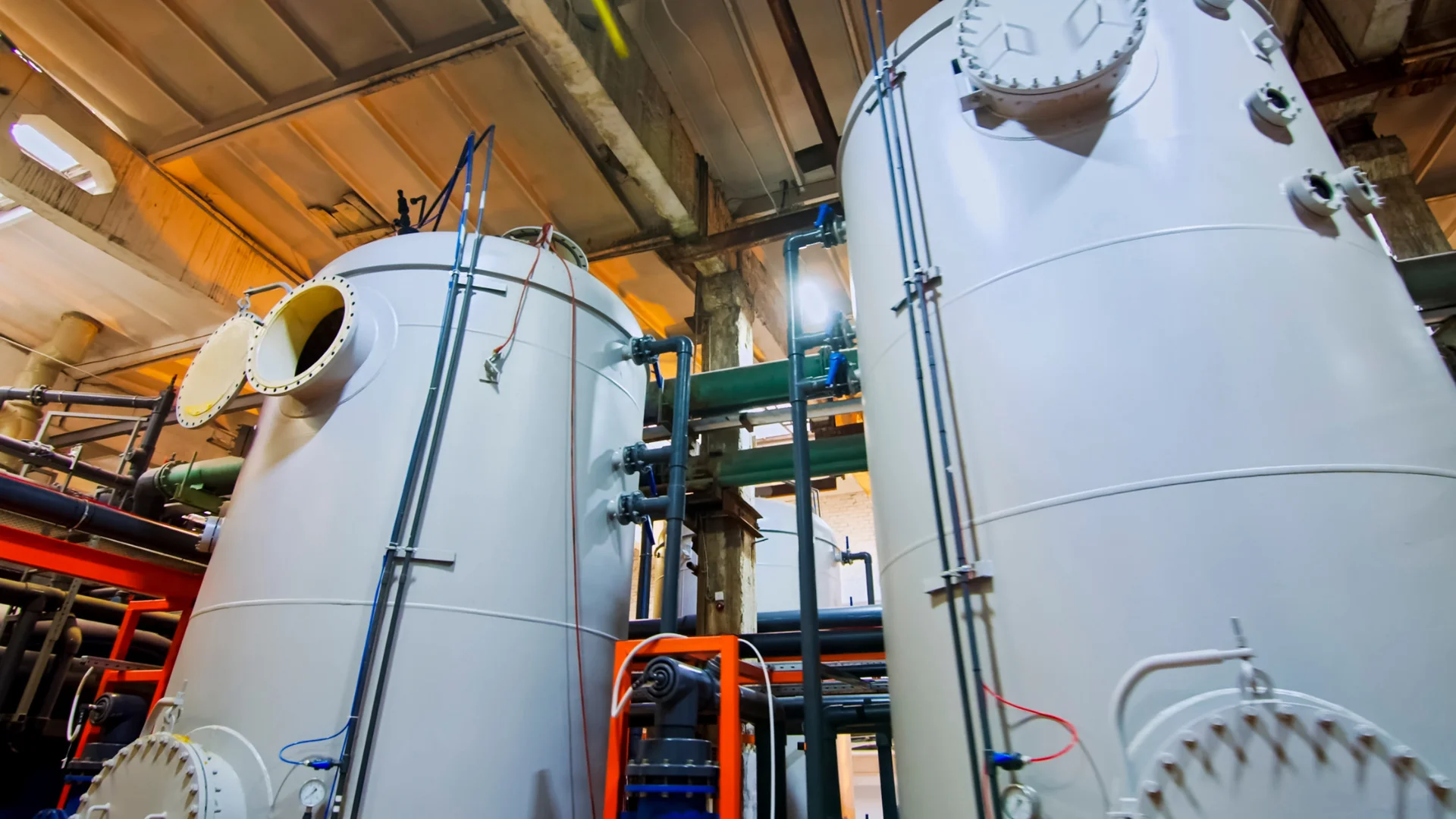
This program portfolio provides comprehensive training on core ASME standards governing mechanical design, pressure systems, piping infrastructure, and nuclear applications. It is structured to support engineers, quality professionals, and compliance teams operating in highly regulated industrial and defense environments.
The training collection includes:
- Geometric Dimensioning & Tolerancing (GD&T) – ASME Y14.5 principles for precise engineering communication, tolerance analysis, inspection methodology, and design-to-manufacture alignment
- ASME Boiler and Pressure Vessel Code (BPVC) – Design, fabrication, inspection, testing, and certification requirements for pressure vessels and boilers
- ASME B31 Piping Codes – Compliance frameworks for process piping, power piping, pipeline systems, and pressure integrity management
- Nuclear Standards – ASME Section III and nuclear quality assurance requirements for safety-class components and critical infrastructure

This training portfolio is built around SAE International standards and best practices, supporting professionals in automotive, aerospace, defense mobility, and advanced transportation sectors. The program focuses on engineering rigor, safety compliance, performance optimization, and emerging mobility technologies.
The training collection includes:
- Quality, Safety, and Maintenance – Functional safety, reliability engineering, maintenance strategies, and regulatory compliance aligned with SAE and industry frameworks
- Powertrain & Propulsion – Internal combustion systems, electrified propulsion, hybrid architectures, and performance optimization
- Manufacturing and Materials – Advanced manufacturing processes, lightweight materials, composites, additive manufacturing, and materials performance validation
- Accident Reconstruction – Crash analysis methodologies, forensic engineering principles, and vehicle dynamics interpretation
- Chassis, Airframe & Vehicle Dynamics – Structural integrity, aerodynamics, suspension systems, ride and handling performance analysis
- Management & Leadership Organization – Engineering project leadership, technical program management, and organizational effectiveness
- Advanced Technologies – Autonomous systems, electrification, connected mobility, AI integration, and next-generation vehicle systems
- Geometric Dimensioning & Tolerancing (GD&T) – SAE-aligned engineering drawing interpretation, tolerance stack-up analysis, and inspection alignment.

ASTM training programs provide comprehensive technical education on international material, testing, and quality standards used across multiple industries. These programs support engineers, laboratory professionals, inspectors, manufacturers, and compliance teams in understanding and applying ASTM standards in real-world operations.
ASTM training covers a wide range of sectors including construction, energy, materials, laboratory testing, environmental analysis, aerospace, and manufacturing technologies.
Available ASTM training areas include:
- Building and Construction
- Cannabis
- Coal
- Corrosion
- Emerging Technologies
- Energy
- Environment
- Lab and Field Fundamentals
- Lab Manager Academy
- Light Sport Aircraft
- Liquefied Petroleum Gasoline
- Metals
- Metals and Mechanical Testing
- Nondestructive Testing
- Oxygen
- Petroleum Inspectors
- Plastics
- Rubber
- Statistics
- Textiles
- Water

This program provides a structured overview of the U.S. commercial export control regime and its global compliance implications. Participants gain a clear understanding of the Export Administration Regulations (EAR), the role of the Bureau of Industry and Security (BIS), and the sanctions framework administered by OFAC.
The training covers:
- Items and persons subject to U.S. jurisdiction, including U.S.-origin hardware, software, and technical data
- De minimis content calculations and extraterritorial application of U.S. rules
- ECCN classification, license requirements, license exceptions, and “No License Required” determinations
- Red flag screening, denied party screening, proliferation controls, and the China Military Catch-All rule
- U.S. embargo programs and special country controls
- EAR Antiboycott regulations and reporting obligations
- Export Control Reform, including ITAR-to-EAR transitions and 600-series ECCNs
- Enforcement mechanisms, penalties, and case studies
- Development of a corporate Export Compliance Program
- Controls on technical data, deemed exports/reexports, and third-country national considerations
This program provides a comprehensive overview of the International Traffic in Arms Regulations (ITAR) and the regulatory framework governing U.S. defense trade. Participants gain a structured understanding of ITAR control concepts, regulated activities, and the jurisdiction of the Directorate of Defense Trade Controls (DDTC).
The training covers:
- Scope and structure of the United States Munitions List (USML)
- Control of defense articles, technical data, and defense services
- Reexports, retransfers, and restrictions involving prohibited countries and nationals
- ITAR licensing mechanisms, including TAA, MLA, and DA agreements
- Licensees, sublicensees, dual/third-country national considerations, and NDA requirements
- License-free activities, NATO exemptions, and public domain exceptions
- Brokering regulations, extraterritorial application, registration, prior approvals, and reporting
- Political contributions, fees, and commissions compliance
- Temporary imports, returns of defense articles to the U.S., and shipment notifications
- ITAR implications for non-U.S. companies, including retransfers and technical data controls
- Development of effective ITAR compliance programs
You can get information about all our programmes by requesting our detailed training catalogue.
-CONOPS
-Systems Engineering
-Product Development
-Project Management
1000+
Students Enrolled
80+
Courses Available
16+
Expert Instructors
80+
Courses Available
16+
Expert Instructors
Our Training Content
As the Defense Academy, we aim to train expert personnel equipped with the knowledge and skills to respond to the defense and security needs of the future.
Our training contents offer a comprehensive curriculum covering critical military fields such as air, land, sea, cyber security, intelligence and logistics.
By focusing on both modern warfare tactics and emerging technologies, these programs will ensure that our trainees are prepared for all conditions they will face in the field.
Our Counsellors

Orhan Nadar
Platform Integration

Ramazan Karataş
Border Security
About Us
Dewiac Defence Academy was established to provide the most advanced training in modern defence strategies and technologies.
We offer a comprehensive learning experience to professionals who will take part in the defence industry with both practical training in the field and online courses.

Why Us?
Experienced Instructor Staff: Staffed with military personnel, academics and defence experts.
Comprehensive Training Programmes: Opportunity to specialise in many areas such as air, land, sea and cyber security.
Flexible Learning: Access from anywhere with both face-to-face and online course options
Why Us?
Experienced Instructor Staff: Staffed with military personnel, academics and defence experts.
Comprehensive Training Programmes: Possibility to specialise in many areas such as air, land, sea and cyber security.
Flexible Learning: Access from anywhere with both face-to-face and online course options

Our Mission
To provide innovative training solutions to train the defence leaders of the future.
To prepare our students for the dynamics of modern battlefields by teaching the latest technologies and strategies used in the defence industry.
Our Vision
To be a global leader in defence education and to provide our students with world-class knowledge and skills by closely following technological developments.
About Us
Dewiac Defence Academy was established to provide the most advanced training in modern defence strategies and technologies. We offer a comprehensive learning experience to professionals who will take part in the defence industry with both hands-on training in the field and online courses.
Our Mission
To provide innovative educational solutions to train the defence leaders of the future. To prepare our students for the dynamics of modern battlefields by teaching the latest technologies and strategies used in the defence industry.

Why Us?
Experienced Instructor Staff: Staffed with military personnel, academics and defence experts. Comprehensive Training Programmes: Opportunity to specialise in many areas such as air, land, sea and cyber security. Flexible Learning: Access from anywhere with both face-to-face and online course options
Our Vision
To be a global leader in defence education and to provide our students with world-class knowledge and skills by closely following technological developments.
Contact us to receive training in the light of new knowledge and experience